Introduction
Healthcare education has evolved beyond traditional classroom teaching. Today's healthcare professionals require practical experience that prepares them to respond confidently in high-pressure clinical situations.
Simulation-based learning has become one of the most effective methods of developing clinical competence while improving patient safety. Unlike lecture-based instruction, simulation puts knowledge directly into practice — closing the gap between knowing what to do in theory and actually being able to do it under real conditions.
What is Simulation-Based Training?
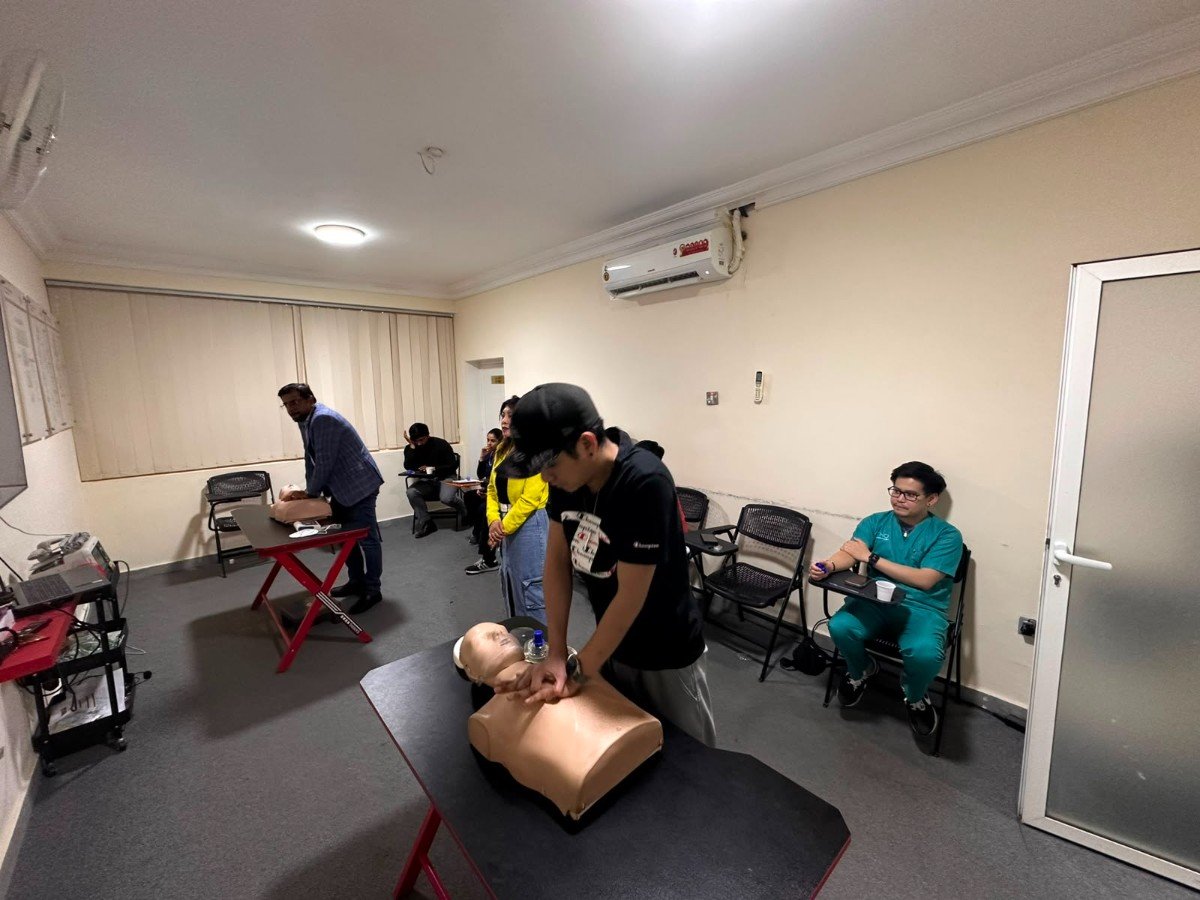
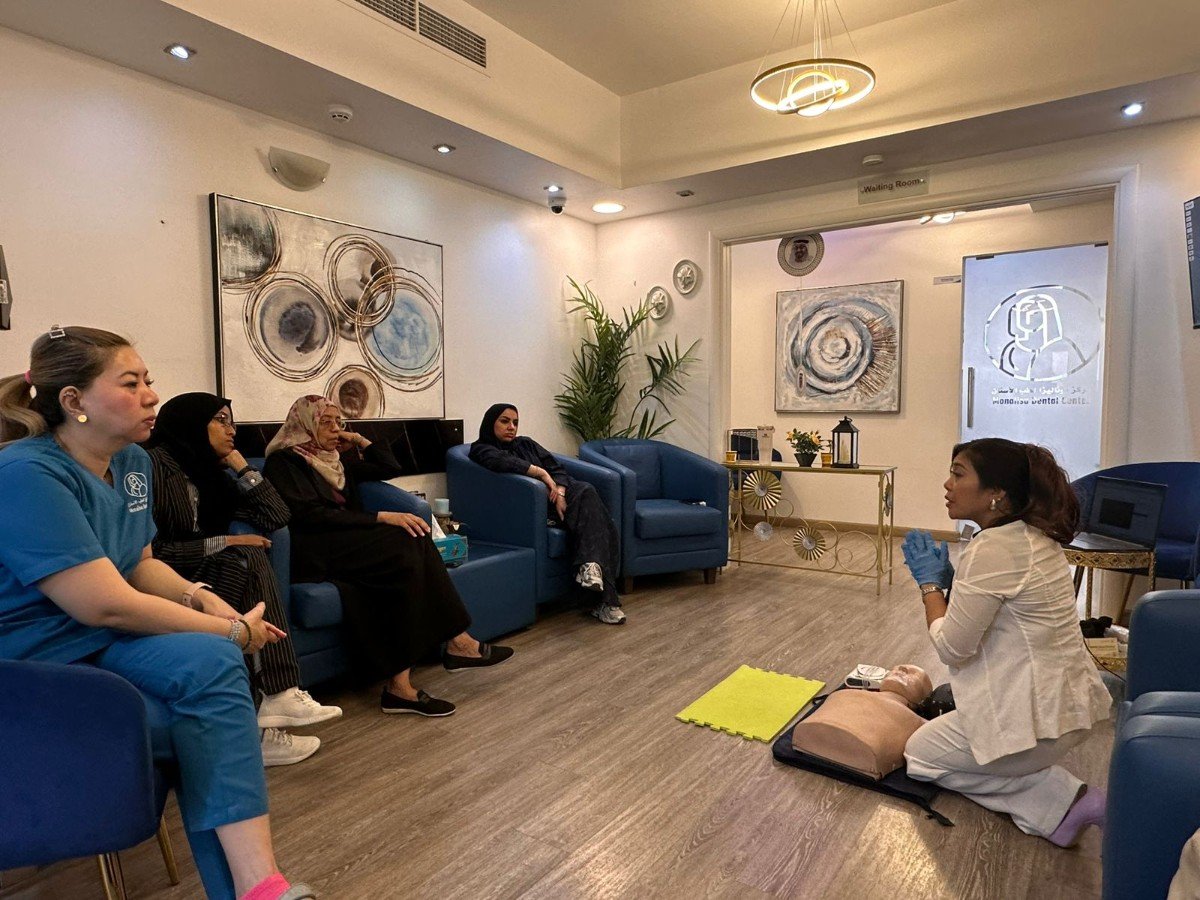
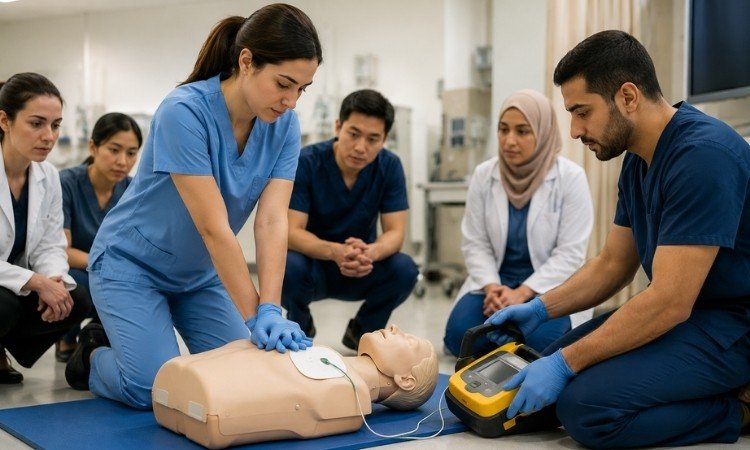
Simulation-based training recreates realistic clinical scenarios using advanced manikins, medical equipment, and structured learning environments.
Participants can practice emergency procedures, clinical decision-making, and teamwork without placing patients at risk. This controlled-risk environment is precisely what makes simulation so valuable — it allows healthcare professionals to encounter high-stakes situations, make mistakes, and learn from them, long before facing the same scenario with an actual patient.
Benefits of Simulation-Based Learning
Improved Clinical Confidence
Repeated practice helps participants build confidence before encountering real emergencies.
Enhanced Team Communication
Simulation exercises encourage effective communication, leadership, and collaboration among healthcare teams.
Safe Learning Environment
Participants can learn from mistakes, receive constructive feedback, and refine their clinical skills in a controlled environment.
Better Emergency Preparedness
Simulation prepares healthcare professionals to recognize emergencies quickly, prioritize interventions, and deliver timely care.
Realistic Clinical Experience
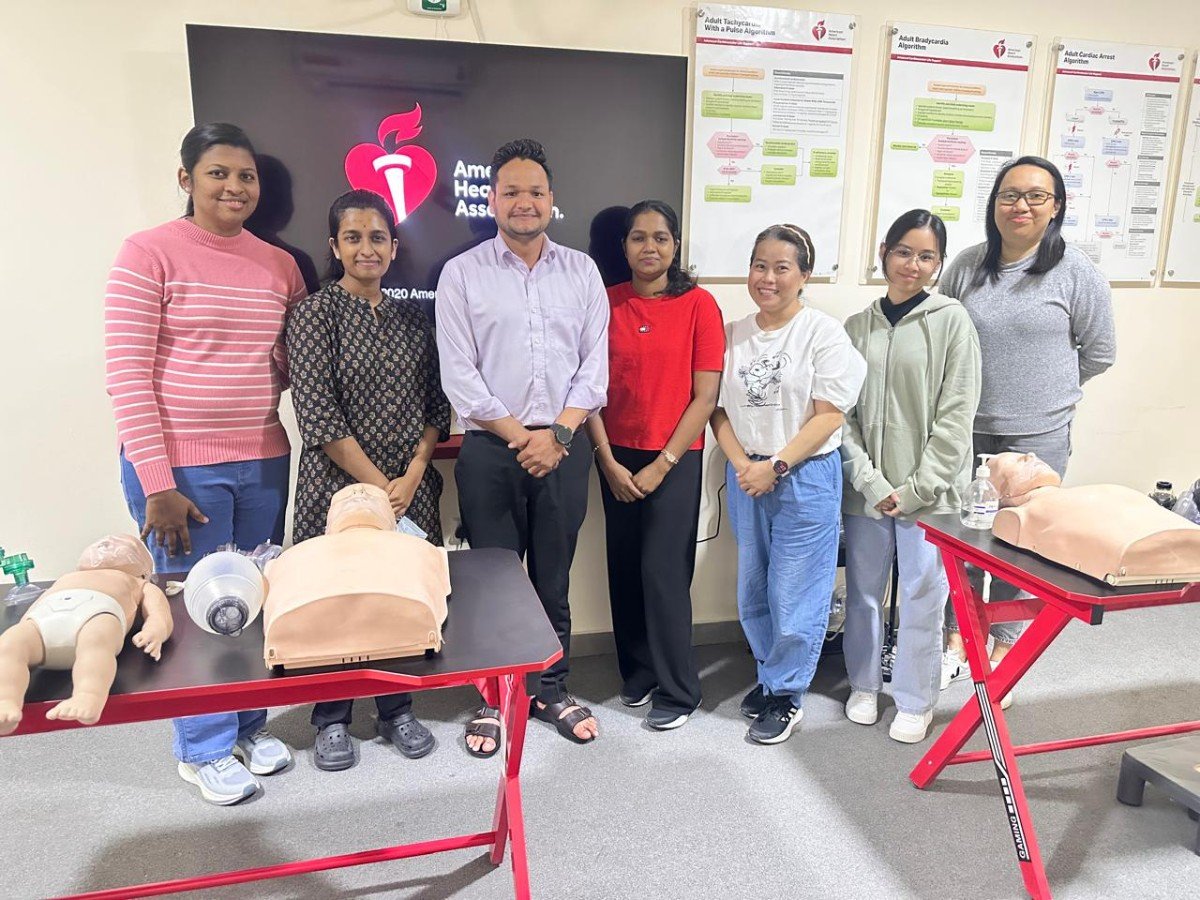
At DIMS Medical Services, practical learning is integrated into many of our healthcare education programs. Participants develop hands-on experience using modern simulation equipment while practicing evidence-based clinical techniques under instructor supervision.
This hands-on approach is particularly valuable for skills that are rarely practiced in daily clinical work but critical when they're needed — such as managing a cardiac arrest, a difficult airway, or a rapidly deteriorating patient. Simulation gives professionals repeated exposure to these low-frequency, high-stakes events in a way that real clinical practice alone often cannot.
Comparing Traditional and Simulation-Based Learning
Aspect | Traditional Classroom Learning | Simulation-Based Learning |
Knowledge delivery | Strong — structured theory and guidelines | Reinforces theory through applied practice |
Skill retention | Lower without repeated practice | Higher due to hands-on repetition |
Risk to patients | None (no practical component) | None (practiced on manikins/equipment) |
Team coordination | Limited exposure | Directly trains teamwork under pressure |
Emergency readiness | Conceptual understanding only | Builds practical, muscle-memory response |
Rather than replacing classroom-based education, simulation training builds directly on top of it — theory provides the "why," while simulation provides the "how," under conditions that closely resemble real clinical pressure.
Why Simulation Matters
Research has consistently shown that simulation-based education improves knowledge retention, clinical performance, and confidence while supporting better patient outcomes.
For healthcare organizations, simulation training also strengthens workforce readiness and contributes to a culture of continuous quality improvement. It also offers a practical way to standardize how a team responds to emergencies — ensuring that every staff member, regardless of experience level, has practiced the same core response sequence the same way.
Bringing Simulation Into Everyday Practice
One of the challenges healthcare organizations face is integrating simulation training into already demanding schedules. The most effective programs treat simulation not as a rare, occasional event, but as a recurring part of ongoing professional development — short, focused sessions repeated regularly tend to build and maintain competency far more effectively than infrequent, lengthy ones.
Conclusion
Simulation is more than a teaching method — it is an investment in safer healthcare.
By combining theoretical knowledge with realistic practical experience, healthcare professionals are better prepared to deliver high-quality patient care when it matters most.
Discover practical, competency-based healthcare training at DIMS Medical Services. Our programs combine expert instruction, simulation-based learning, and internationally aligned educational standards to support excellence in clinical practice. Reach out to DIMS Medical Services to bring simulation-based training to your team.