Introduction
In healthcare, emergencies can occur at any time and in any setting. Whether in a hospital, clinic, ambulance, or community environment, the ability to recognize and respond to life-threatening emergencies can make a significant difference in patient outcomes.
Basic Life Support (BLS) is more than a certification — it is a fundamental clinical competency that equips healthcare professionals with the knowledge and practical skills required to respond confidently during cardiac arrest and other medical emergencies. Yet despite how essential this skill is, BLS certification is sometimes treated as a box-ticking exercise rather than a living, evolving competency. Understanding why regular, hands-on BLS training matters — not just holding a certificate — is what actually protects patients when it counts.
What is Basic Life Support?
Basic Life Support (BLS) is an internationally recognized emergency response program that focuses on the immediate management of cardiac arrest, respiratory emergencies, and airway obstruction.
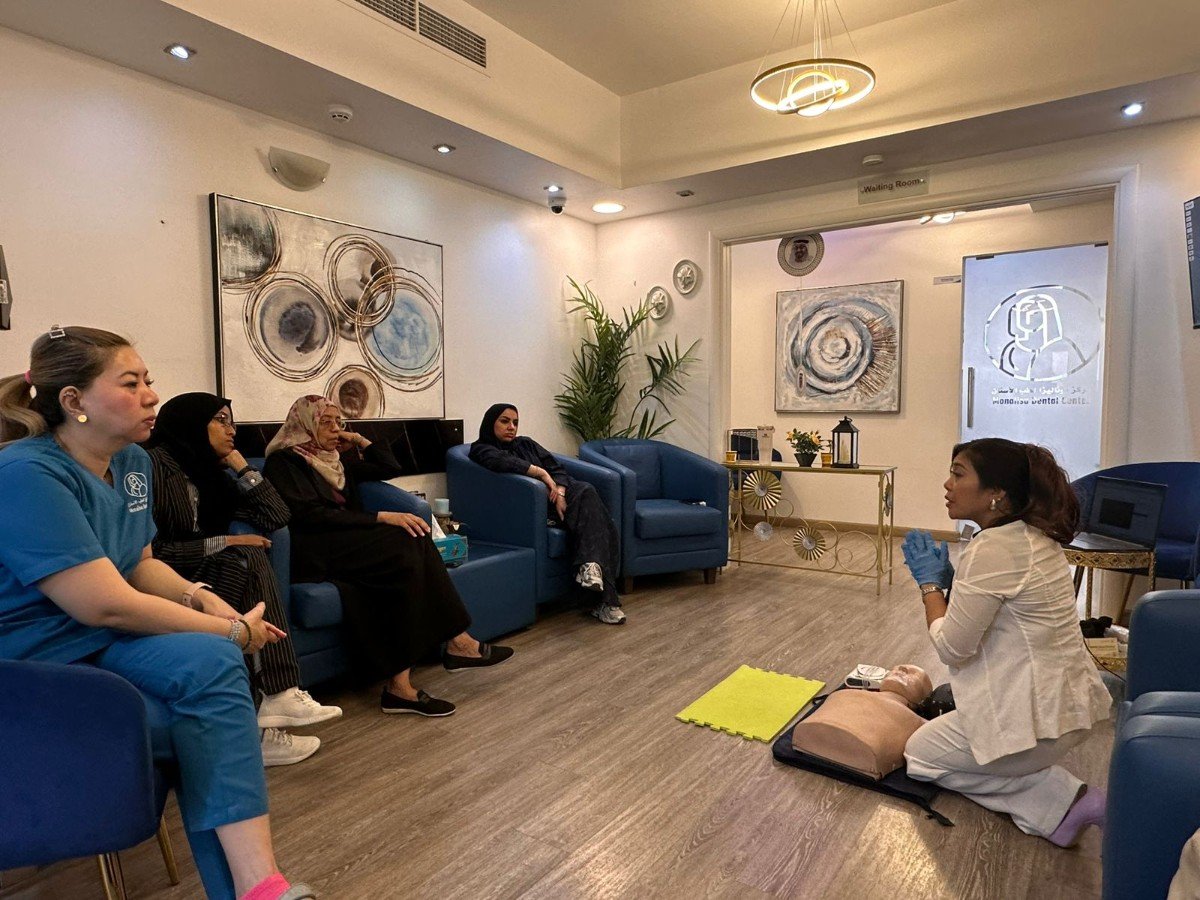
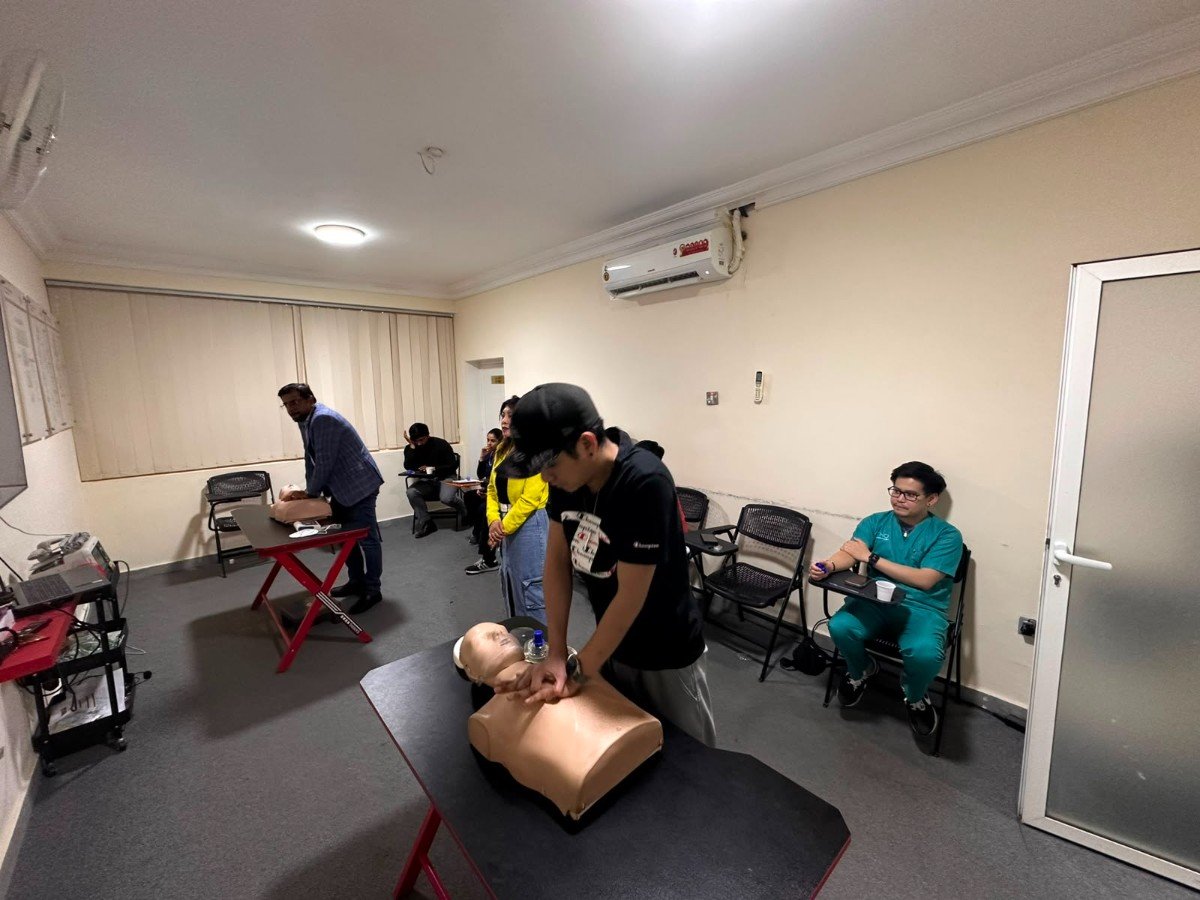
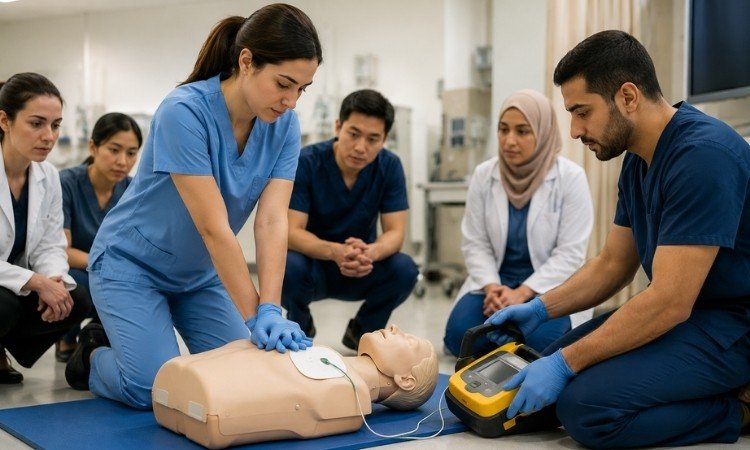
The program emphasizes the importance of high-quality cardiopulmonary resuscitation (CPR), early defibrillation using an Automated External Defibrillator (AED), and effective teamwork during resuscitation. BLS training is designed to be practical rather than theoretical — participants don't just learn the steps of resuscitation, they practice them repeatedly on manikins until the response becomes close to automatic. This matters because in a genuine emergency, there is no time to pause and recall a textbook; the body needs to already know what to do.
Why is BLS Important?
Healthcare professionals are often the first responders during medical emergencies. Maintaining an active BLS certification ensures that clinical skills remain current and aligned with the latest evidence-based resuscitation guidelines.
Regular training helps healthcare professionals:
Perform high-quality CPR with confidence.
Recognize cardiac arrest quickly.
Use an AED effectively.
Work efficiently within a resuscitation team.
Improve patient survival through early intervention.
Beyond the individual clinician, BLS competency has a ripple effect across an entire care setting. A ward where every nurse and physician can confidently lead or support a resuscitation attempt functions very differently under pressure than one where only a handful of staff feel prepared. Confidence, once built through repeated practice, tends to translate directly into calmer, faster, more coordinated action during a real event.
Who Should Be BLS Certified?
BLS certification is recommended for:
While BLS is often associated primarily with emergency departments and ICUs, cardiac arrest and airway emergencies can happen anywhere within a facility — in outpatient clinics, dental chairs, imaging suites, or administrative areas. This is why BLS certification is increasingly expected across a much broader range of healthcare roles than in the past, not limited to those working in acute or emergency care.
Comparing BLS Certification Pathways
Healthcare professionals often ask how BLS compares to other resuscitation-related training, and where it fits into their broader certification requirements. The table below outlines how BLS relates to two commonly confused programs:
Program | Primary Focus | Typical Audience | Certification Cycle |
Basic Life Support (BLS) | CPR, AED use, airway management, team-based resuscitation | All healthcare professionals, first responders | Renewed periodically per guideline updates |
Advanced Cardiovascular Life Support (ACLS) | Advanced airway management, pharmacology, rhythm recognition | Physicians, nurses, paramedics in acute care | Renewed periodically per guideline updates |
Heartsaver CPR AED | Basic CPR and AED use for non-clinical settings | Lay rescuers, workplace responders | Renewed periodically per guideline updates |
BLS sits at the foundation of this pathway — it is the prerequisite competency that other advanced programs, such as ACLS, build upon. This is why healthcare employers typically require BLS certification before staff progress to more advanced resuscitation training.
Keeping Your Skills Current
Medical guidelines continue to evolve based on new research and clinical evidence. Regular recertification and practical skills training ensure healthcare professionals remain competent and prepared for real-world emergencies.
It's worth noting that clinical skill retention after a single training session naturally declines over time if the skills aren't practiced. This is one of the central reasons why BLS certification isn't a one-time achievement but a recurring commitment — periodic retraining exists specifically to counter this natural decline in muscle memory and decision-making speed under pressure.
The Cost of Letting Certification Lapse
An expired BLS certification isn't just an administrative issue. It can affect a professional's ability to practice in certain roles, delay credentialing processes with employers, and — most importantly — leave a gap in the very skills that matter most during a genuine emergency. Healthcare facilities that track certification status closely tend to do so not out of bureaucratic caution, but because they understand that an unprepared responder in a critical moment carries real consequences for patient safety.
Conclusion
BLS certification is an essential investment in professional competence and patient safety. By maintaining current knowledge and practical skills, healthcare professionals can respond effectively during emergencies and contribute to better patient outcomes.
Whether you're certifying for the first time, renewing an expired certificate, or looking to move toward more advanced resuscitation training, the foundation always starts here.
Looking to renew or obtain your BLS certification? DIMS Medical Services delivers internationally recognized Basic Life Support training, hands-on and instructor-led, with every certificate issued through our secure, QR-verified certification system. Contact DIMS Medical Services today to book your next BLS course.