A medical emergency can happen anywhere—a home, workplace, shopping centre, gym, road, or public space. In some situations, the person who responds first may not be a doctor or paramedic. It could simply be someone nearby who knows what to do.
That is why CPR training is a valuable skill for every adult. Cardiopulmonary resuscitation (CPR) teaches people how to respond when someone becomes unresponsive and is not breathing normally. Knowing how to recognise an emergency, start CPR, and use an automated external defibrillator (AED) can help provide immediate assistance while professional medical help is on the way.
You do not need to work in healthcare to benefit from CPR training. Whether you are a parent, teacher, employee, business owner, student, or simply someone who wants to be better prepared, basic CPR knowledge can make a real difference during an emergency.
What Is CPR Training?
CPR training teaches participants how to respond to a person experiencing cardiac arrest or another situation where normal breathing has stopped.
A typical CPR course may cover:
How to recognise a cardiac emergency
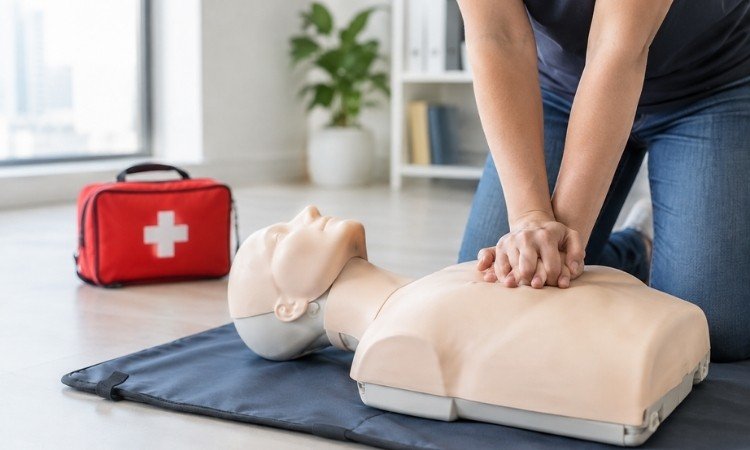
How to perform chest compressions
Rescue breathing, depending on the course
How to use an AED
How to respond to choking
How to activate emergency medical services
How to provide appropriate assistance until professional help arrives
The exact content can vary depending on the training provider and certification standard.
The purpose of CPR training is not to turn everyone into a medical professional. Instead, it gives ordinary people the knowledge and practical skills needed to take appropriate action during the critical moments before emergency responders arrive.
Why Should Every Adult Learn CPR?
1. Emergencies Can Happen Anywhere
Cardiac emergencies are not limited to hospitals or clinics. A person can collapse at home, at work, while exercising, or in a public place.
When an emergency occurs outside a healthcare facility, there may be a gap between the incident and the arrival of professional medical assistance. A person with CPR training can use that time to provide appropriate immediate support.
This is one of the biggest reasons why CPR training for adults is worth considering, regardless of profession or age.
2. CPR Can Provide Immediate Support During Cardiac Arrest
When the heart suddenly stops pumping effectively, blood flow to vital organs is interrupted. Immediate CPR can help maintain circulation until further treatment is available.
CPR does not replace professional medical care, but starting appropriate CPR promptly can be an important part of the emergency response.
The key is knowing when to act and understanding the correct procedure rather than freezing because you are unsure what to do.
3. It Builds Confidence in an Emergency
Emergencies can be stressful. Even people who want to help may hesitate because they are afraid of making a mistake.
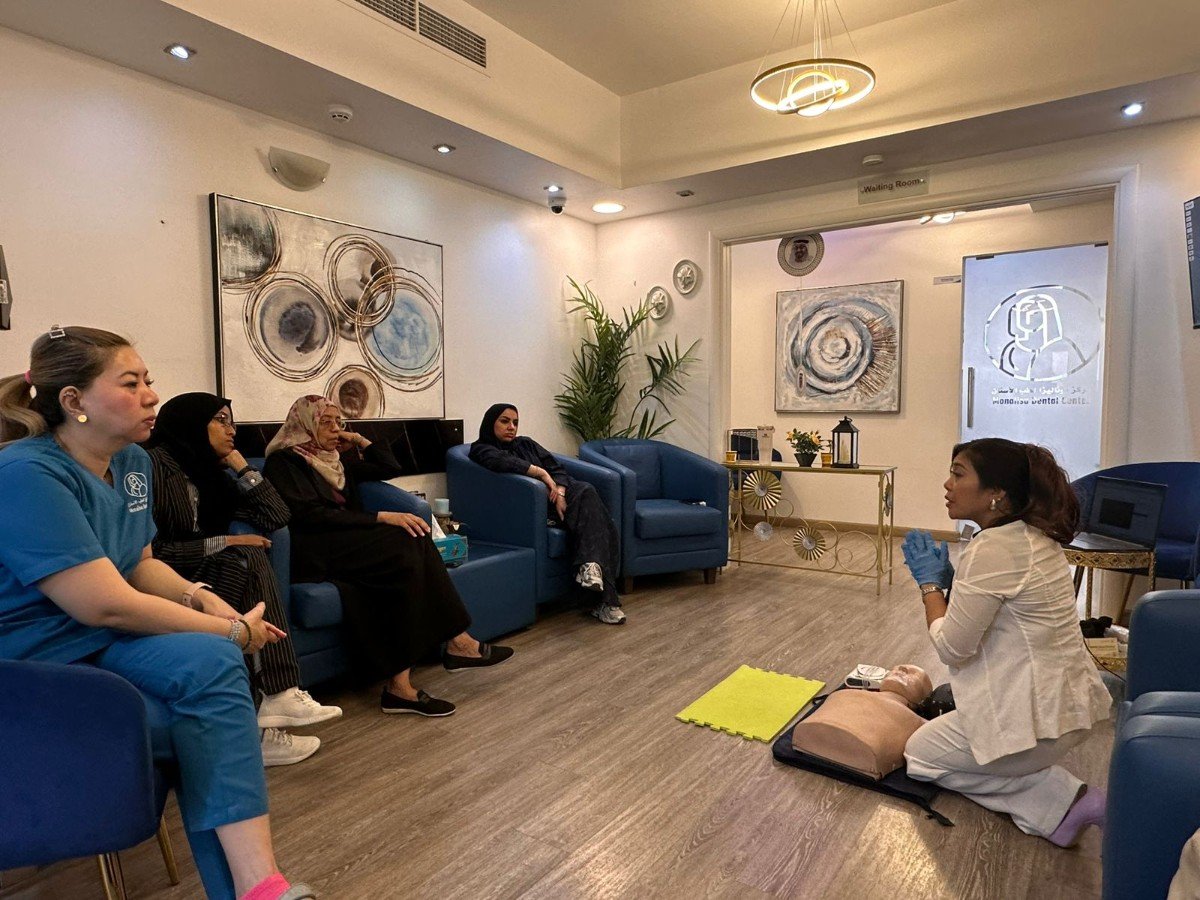
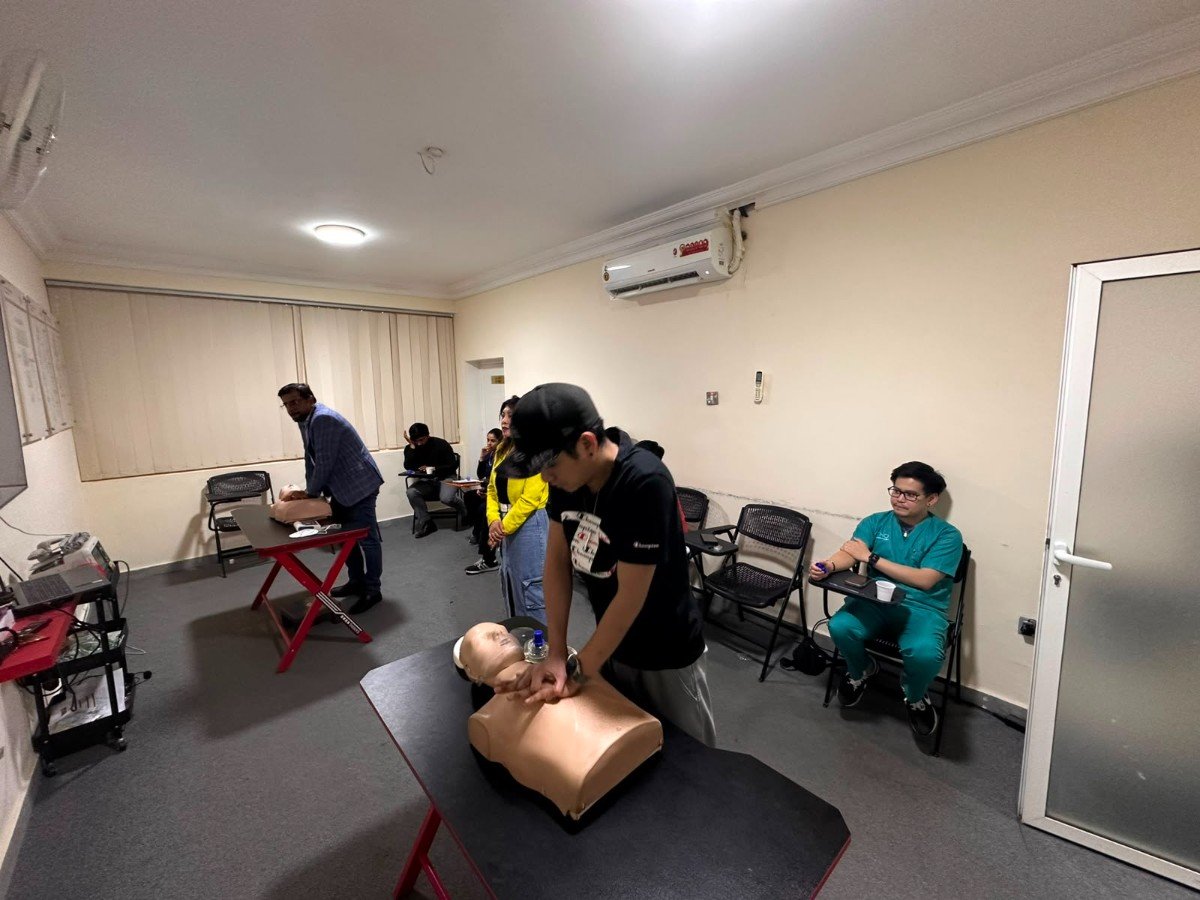
Practical CPR training gives participants the opportunity to practise emergency procedures in a controlled environment. This can make the steps more familiar and help people respond more calmly when faced with a real emergency.
Confidence does not mean acting recklessly. It means knowing how to recognise the situation, call for appropriate help, and follow the skills you have been trained to use.
4. You Could Help Someone You Know
One of the strongest reasons to learn CPR is that an emergency could involve someone close to you.
A family member, friend, colleague, neighbour, or stranger could suddenly need assistance. Having basic CPR skills means you are better prepared to respond instead of simply waiting for someone else to help.
For parents and caregivers in particular, learning CPR and first aid can be a practical part of preparing for unexpected emergencies at home.
5. CPR Skills Are Useful in the Workplace
Workplaces bring together people from different backgrounds and age groups, and emergencies can occur even in environments that appear low-risk.
Employees who have received appropriate CPR training may be better prepared to respond while the organisation's emergency procedures are activated.
CPR training can be particularly useful for employees working in:
Offices
Schools
Hotels
Gyms and fitness centres
Construction sites
Retail businesses
Childcare facilities
Hospitality environments
Public-facing workplaces
Employers can also consider CPR and first aid training as part of broader workplace emergency preparedness.
What Do You Learn in a CPR Course?
The exact curriculum depends on the course provider and certification organisation, but CPR courses commonly include both theoretical information and practical skills.
Recognising an Emergency
Participants learn how to identify situations where immediate action may be required and how to activate the appropriate emergency response.
Chest Compressions
Hands-on practice helps participants understand the correct approach to performing chest compressions and maintaining an effective rhythm.
AED Use
An automated external defibrillator, or AED, can be used in certain cardiac emergencies. CPR courses may include practical guidance on how to use an AED safely and follow its instructions.
Rescue Breathing
Depending on the course and training standard, participants may also learn rescue breathing and how it fits into CPR.
Choking Response
Some CPR courses also include basic procedures for responding to a choking emergency.
Emergency Communication
Knowing what to do is only part of responding effectively. Participants may also learn the importance of contacting emergency services, communicating clearly, and working with other people at the scene.
CPR Training Is Not Just for Healthcare Professionals
There is a common misconception that CPR is primarily a skill for doctors, nurses, and paramedics.
Healthcare professionals certainly require appropriate life-support training for their roles, but CPR can also be useful for people with no medical background.
A general CPR course can be relevant to:
Parents
Teachers
Office employees
Fitness instructors
Caregivers
Security personnel
Drivers
Hospitality workers
Students
Business owners
Community members
The appropriate course depends on the person's responsibilities and the environment in which they may need to respond.
CPR Training vs BLS Training: What's the Difference?
CPR and BLS are closely connected, but they are not always the same type of training.
CPR Training | BLS Training |
|---|
Often focuses on basic emergency response and CPR | Generally designed for healthcare professionals and professional rescuers |
May be suitable for the general public | Usually includes healthcare-specific emergency scenarios |
Can include AED training | Commonly includes CPR and AED skills |
Course content varies by provider | Course content varies according to certification standard |
If you are a healthcare professional, check whether your employer or professional authority requires a specific BLS certification rather than a general CPR course.
For members of the general public, a suitable CPR course can provide valuable emergency-response knowledge without requiring a healthcare background.
How CPR Training Helps Families and Communities
CPR training has benefits beyond the individual who takes the course.
When more people in a community know how to respond to an emergency, there are more individuals who may be able to provide appropriate immediate assistance when needed.
Parents can learn skills that may be useful in family emergencies. Teachers and school staff can improve their emergency preparedness. Employees can become more familiar with workplace response procedures.
The result is a community where more people understand what to do instead of simply standing by and waiting for professional help.
How to Choose the Right CPR Training Course
Not every CPR course is designed for the same audience, so it is worth checking the details before enrolling.
Consider the following:
Check the Course Content
Make sure the course covers the skills relevant to your needs, such as CPR, AED use, and choking response.
Look at the Certification
If you need certification for work or professional purposes, confirm that the certificate meets your employer's or organisation's requirements.
Choose Practical Training
CPR is a hands-on skill. A course that includes practical demonstrations and opportunities to practise can be more useful than one based entirely on theory.
Check Instructor Qualifications
Consider whether the instructors have appropriate qualifications and experience to deliver CPR training.
Ask About Course Duration
Course length can vary. Check how much time is dedicated to both learning and practical skills assessment.
Understand Renewal Requirements
If you receive a CPR certification, check its validity and find out when renewal or refresher training may be required.
Why CPR Training Matters in the UAE
The UAE has a diverse population and a wide range of workplaces, residential communities, schools, hospitality businesses, and public spaces. Emergencies can happen in any of these environments.
For residents and employees in the UAE, CPR training provides an opportunity to develop practical emergency-response skills that can be useful at home, at work, or in public.
If you are considering CPR & First Aid Training in the UAE, choose a course that matches your needs and verify the certification, curriculum, instructor qualifications, and practical training included before enrolling.
When Should You Take CPR Training?
You do not need to wait until an emergency happens to learn CPR.
Consider taking a course if:
You have never received CPR training.
Your previous training is no longer current.
You work in a role where emergency response may be relevant.
You are a parent or caregiver.
Your employer recommends or requires CPR training.
You regularly work with children, older adults, or members of the public.
You simply want to be better prepared for emergencies.
Regular practice is also valuable because emergency-response skills can become less familiar when they are not used for a long period.
Conclusion
CPR is one of those skills that you hope you will never need but can be extremely valuable when an emergency occurs. Knowing how to recognise a serious situation, call for help, perform appropriate CPR, and use an AED can help you respond instead of simply watching and waiting.
You do not have to be a doctor or healthcare professional to learn these skills. CPR training for adults can benefit parents, employees, teachers, caregivers, business owners, and anyone who wants to be better prepared for an emergency.
If you are considering CPR & First Aid Training in the UAE, look for a practical course that provides appropriate instruction, hands-on training, qualified instructors, and certification that matches your requirements.
Frequently Asked Questions About CPR Training
Is CPR training useful for everyone?
Yes. CPR training can be useful for adults from many different backgrounds because medical emergencies can happen at home, at work, or in public. The appropriate course depends on the individual's responsibilities and whether they need general CPR knowledge or healthcare-focused life-support training.
Do I need a medical background to learn CPR?
No. Many CPR courses are designed for people without medical training. They focus on teaching practical emergency-response skills in a straightforward way so participants can understand what to do when someone needs immediate assistance.
What is the difference between CPR and first aid?
CPR focuses primarily on responding to situations involving cardiac arrest or the loss of normal breathing. First aid covers a wider range of injuries and medical situations. Some courses combine both CPR and first aid to provide broader emergency-response knowledge.
Does CPR training include AED use?
Many CPR courses include training on how to use an automated external defibrillator (AED). However, course content varies by provider, so it is best to check the curriculum before enrolling.
How long does CPR training take?
The duration depends on the training provider, certification standard, course format, and content. Some courses can be completed in a single session, while others may have different schedules or additional training requirements.